Choose coffee

El Rito · Café de origen · Costa Rica

EL RITO / CAFÉ DE ORIGEN / yugo / COSTA RICA

EL RITO.

From the land to your hands.

The meaning of our name

A ritual is a ceremony or a set of acts imbued with symbolic meaning. Its gestures, passed down through tradition, allow us to honor what we value, come together and give meaning to important moments.

Some rituals are shared across generations; others become our own in the intimacy of everyday life. For us, coffee brings both together.

Its ritual begins long before the first cup: in the land of Costa Rica, in the rhythm of the rains and in the wait for each harvest. In the hands that plant, care for and pick; in those who observe the fruit and guide its transformation. Knowledge shared through work, patience and example.

Costa Rican coffee, cared for from its

ORIGIN.

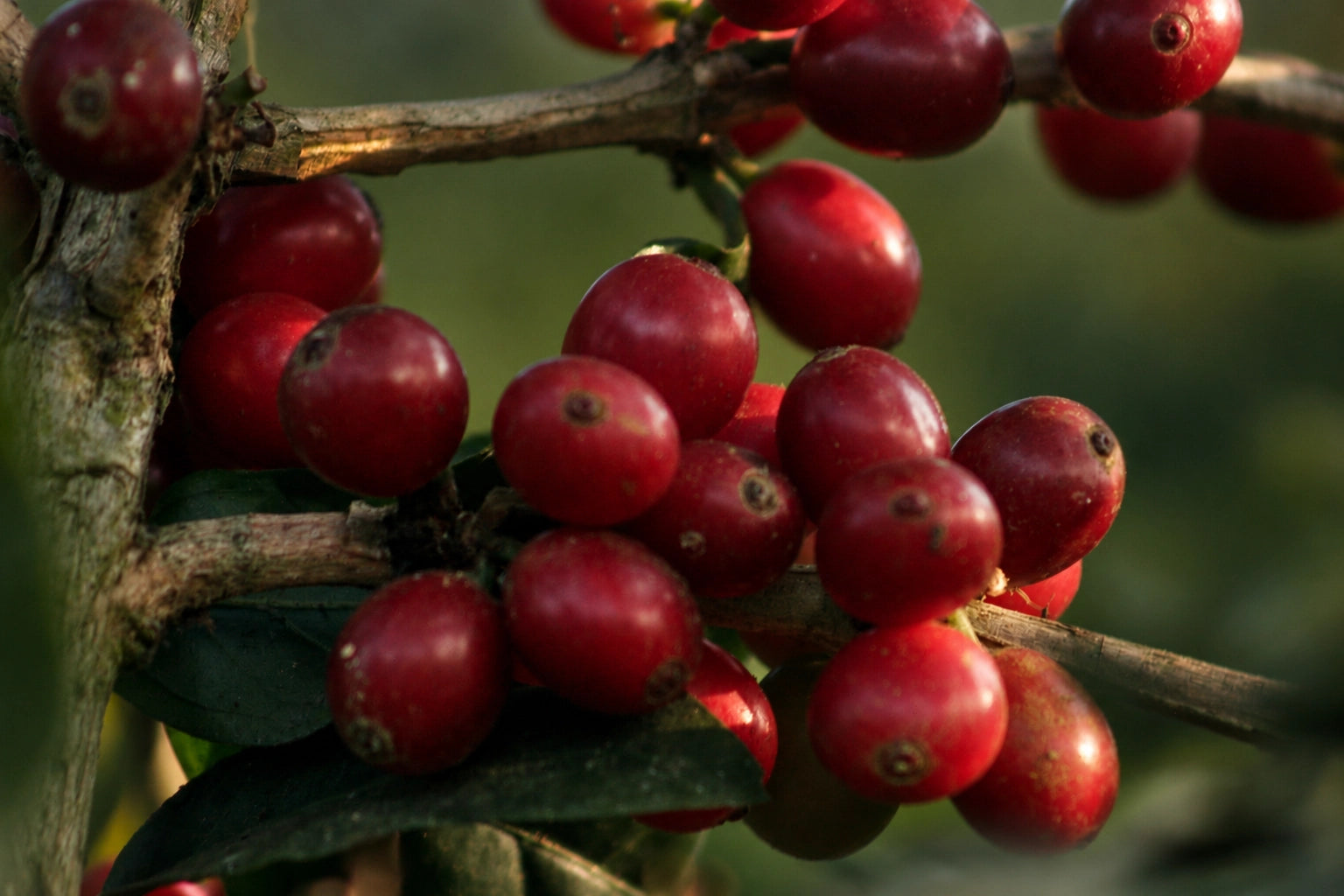
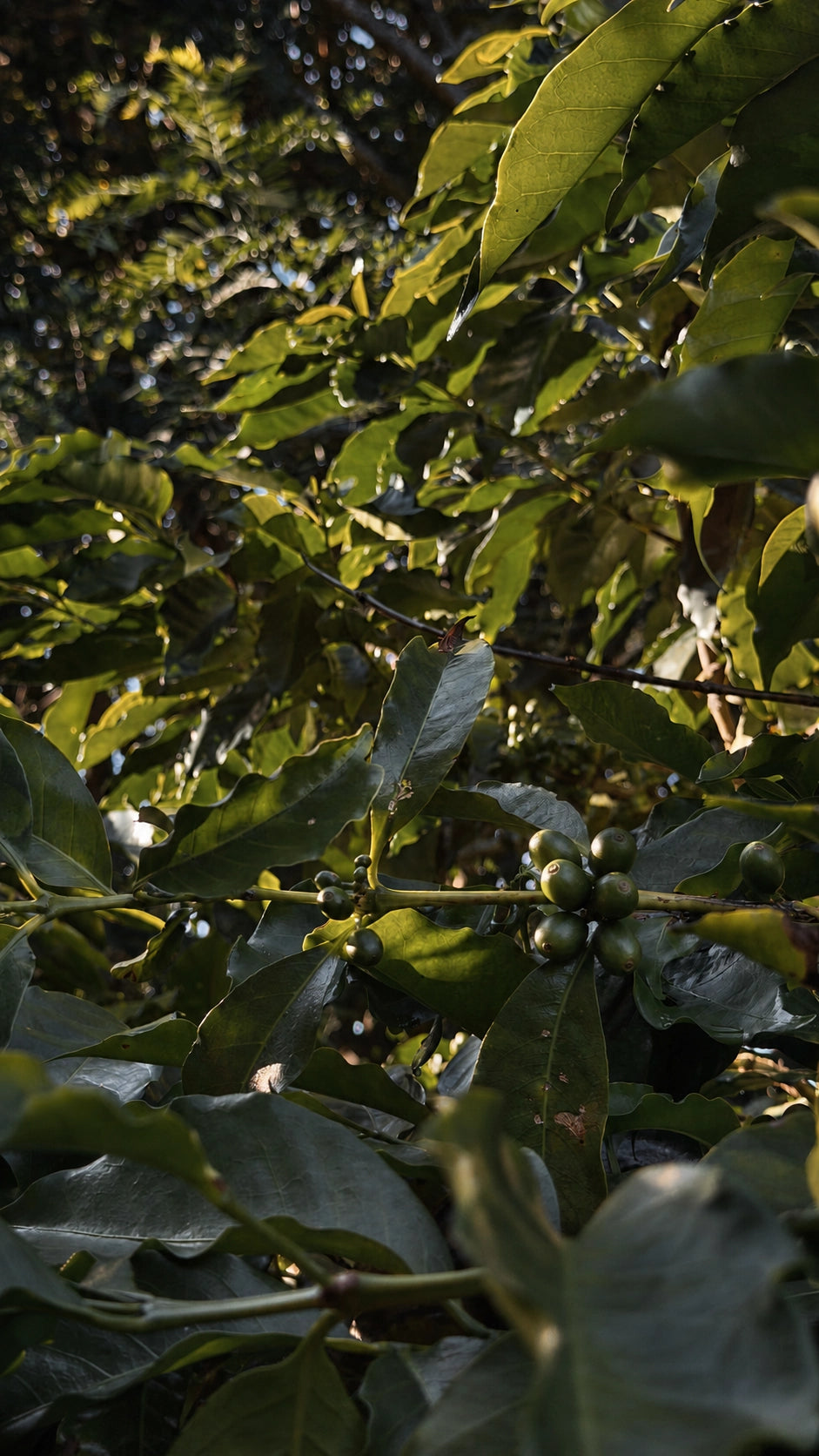
Coffee cherries · approved edition 075
Explore our coffees ↗

Our coffees

The ritual continues with you.

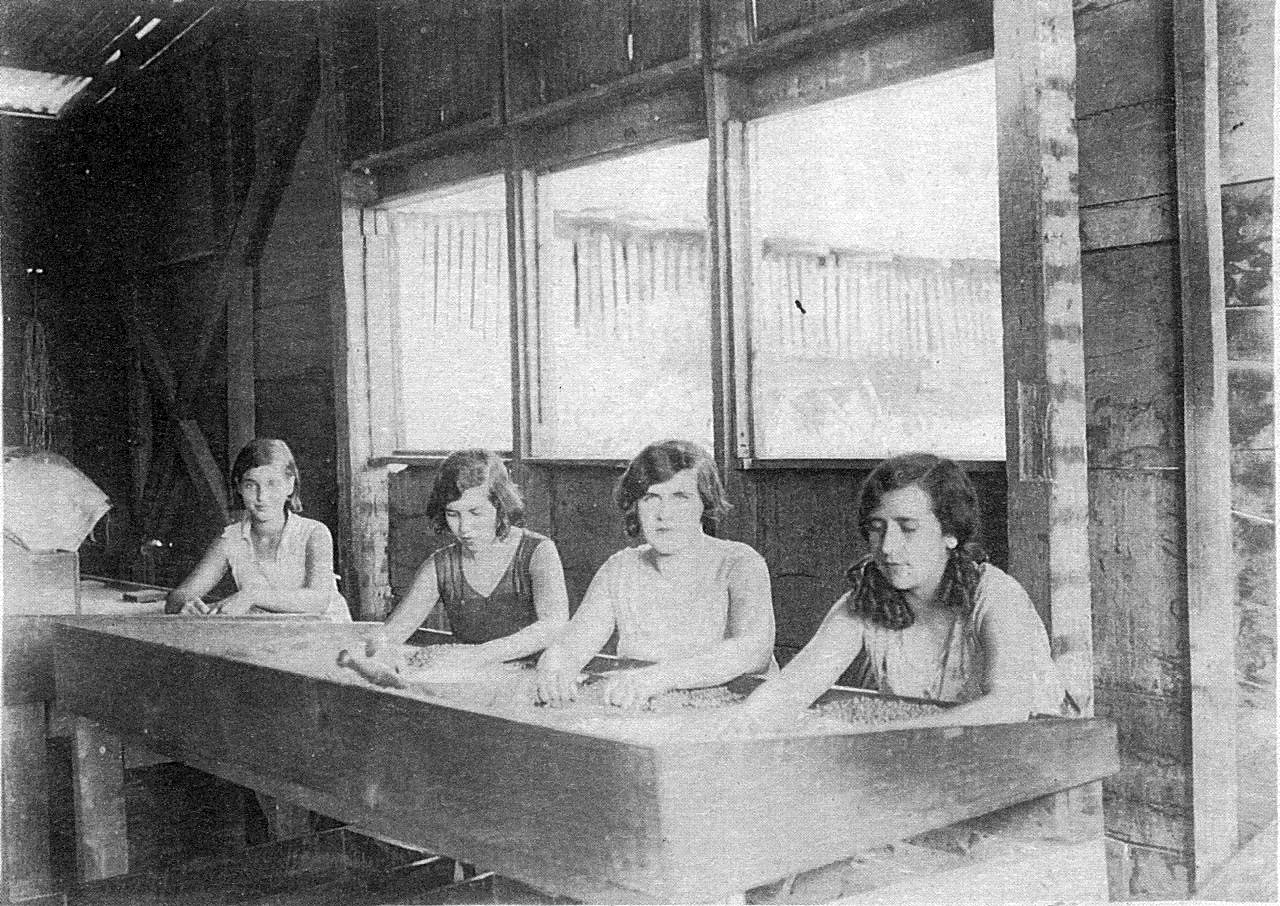
Women sorting coffee by hand
Coffee sorters. Mid-20th century. Naranjo, Costa Rica

A ritual is a set of actions that acquire a shared meaning: they preserve a tradition, bring a community together and give meaning to a moment. In coffee, we recognize that connection between what we do with our hands and what those gestures represent.

That is why we are called El Rito. Our name comes from looking at coffee from its origin: planting, caring for the coffee plants, waiting for the harvest and transforming the fruit. Each stage has its own time, following the rhythm of nature and human work.

Along that journey are the women and men who grow, harvest, sort and process coffee. Their hands and knowledge make every cup possible. Honoring that effort means recognizing that what we enjoy began long before it reached our table.

That is the magic we want to bring to your cup: the meeting of land, time and people. When you grind the coffee, heat the water and pause to take in its aroma, you continue that journey with your own gestures and your way of preparing it.

The ritual continues with you: in the morning pause, in a conversation that lingers or in the cup you offer someone you love. In this way, a tradition finds a place in your life. El Rito is our tribute to the land and to those who make coffee possible.

Whole bean or ground coffee, in 500 g and 1 kg bags. Choose your coffee, roast and preparation.

A reference of our origin.

The results describe the samples analyzed; they do not guarantee the results of a future harvest.

No. 01 · San Isidro 35 Santa Fe85
Roasted coffee · San Isidro 35 · Santa Fe

Yellow Honey · Lot No. 01

Variety: San Isidro 35. Altitude: 1,800 m above sea level.

Cupping · 2025–2026

Seeds, walnut, almond and hazelnut; sweet vanilla, juicy sweet lemon, bright citrus; silky and clean. Good roast.

Reported final score: 85. ICAFE · 1205 · 07/07/2026.

12345678910
Attribute evaluation · 0–10
1. Fragrance / aroma8
2. Flavor8
3. Aftertaste7.5
4. Acidity8
5. Body8
6. Uniformity10
7. Balance7.5
8. Sweetness10
9. Clean cup10
10. Overall8

View evaluation · View origin · Inquire about this coffee

No. 02 · San Isidro 35 Santa Fe85
Roasted coffee · San Isidro 35 · Santa Fe

Red Honey · Lot No. 02

Variety: San Isidro 35. Altitude: 1,800 m above sea level.

Cupping · 2025–2026

ICAFE · 1205 · 07/07/2026

Farm location: Montecito, Los Ángeles, San Rafael de Heredia, Costa Rica.

Red Honey · 2025–2026 · Sample No. 02

Seeds, walnut, almond, brown sugar, vanilla, sweet lemon and ripe orange; creamy texture.

Reported final score: 85. ICAFE · 1205 · 07/07/2026.

12345678910
Attribute evaluation · 0–10
1. Fragrance / aroma8
2. Flavor8
3. Aftertaste7.5
4. Acidity8
5. Body8
6. Uniformity10
7. Balance7.5
8. Sweetness10
9. Clean cup10
10. Overall8

View origin · View evaluation · Inquire about this coffee

No. 03 · Villa Sarchí Santa Fe86
Roasted coffee · Villa Sarchí · Santa Fe

Farm location: Montecito, Los Ángeles, San Rafael de Heredia, Costa Rica.

Approximate elevation: 1,700 m above sea level.

Yellow Honey · 2025–2026 · Sample No. 03

Caramel and honey; silky texture.

Samples No. 03 and No. 07 are kept separate. Their commercial distinction for the new harvest remains pending.

Reported final score: 86. ICAFE · 1205 · 07/07/2026.

12345678910
Attribute evaluation · 0–10
1. Fragrance / aroma8
2. Flavor8
3. Aftertaste8
4. Acidity8
5. Body8
6. Uniformity10
7. Balance8
8. Sweetness10
9. Clean cup10
10. Overall8

View origin · View evaluation · Inquire about this coffee

No. 07 · San Isidro 35 Santa Fe86
Roasted coffee · San Isidro 35 · Santa Fe

Yellow Honey · Lot No. 07

Variety: San Isidro 35. Altitude: 1,800 m above sea level.

Cupping · 2025–2026

ICAFE · 1205 · 07/07/2026

Farm location: Montecito, Los Ángeles, San Rafael de Heredia, Costa Rica.

Yellow Honey · 2025–2026 · Sample No. 07

Chocolate, lemon blossom, black grapes, blackberries and plum; creamy texture.

Samples No. 03 and No. 07 are kept separate. Their commercial distinction for the new harvest remains pending.

Reported final score: 86. ICAFE · 1205 · 07/07/2026.

12345678910
Attribute evaluation · 0–10
1. Fragrance / aroma8
2. Flavor8
3. Aftertaste8
4. Acidity8
5. Body8
6. Uniformity10
7. Balance8
8. Sweetness10
9. Clean cup10
10. Overall8

View origin · View evaluation · Inquire about this coffee

No. 04 · Victoria 4 San Roque82
Roasted coffee · Victoria 4 · San Roque

Yellow Honey · Lot No. 04

Variety: Victoria 4. Altitude: 1,100 m above sea level.

Cupping · 2025–2026

ICAFE · 1205 · 07/07/2026

Farm location: San Roque, Palmitos, Naranjo, Alajuela, Costa Rica.

Yellow Honey · 2025–2026 · Sample No. 04

Almond, hazelnut, cocoa, chocolate and citrus; creamy texture. The evaluation also records astringency and green bitterness.

Late-picking sample. The results correspond to this analyzed sample.

Reported final score: 82. ICAFE · 1205 · 07/07/2026.

12345678910
Attribute evaluation · 0–10
1. Fragrance / aroma6
2. Flavor7.5
3. Aftertaste7.5
4. Acidity8
5. Body8
6. Uniformity10
7. Balance7.5
8. Sweetness10
9. Clean cup10
10. Overall7.5

View origin · View evaluation · Inquire about this coffee

No. 05 · Marsellesa San Roque85
Roasted coffee · Marsellesa · San Roque

Yellow Honey · Lot No. 05

Variety: Marsellesa. Altitude: 1,100 m above sea level.

Cupping · 2025–2026

ICAFE · 1205 · 07/07/2026

Farm location: San Roque, Palmitos, Naranjo, Alajuela, Costa Rica.

Yellow Honey · 2025–2026 · Sample No. 05

Almond, hazelnut, cocoa, chocolate, ripe orange, grapefruit and citrus; creamy texture. The evaluation also records slight astringency.

Late-picking sample. The results correspond to this analyzed sample.

Reported final score: 85. ICAFE · 1205 · 07/07/2026.

12345678910
Attribute evaluation · 0–10
1. Fragrance / aroma8
2. Flavor8
3. Aftertaste7.5
4. Acidity8
5. Body8
6. Uniformity10
7. Balance7.5
8. Sweetness10
9. Clean cup10
10. Overall8

View origin · View evaluation · Inquire about this coffee

Inquire about my selection

Review your selection and send it via WhatsApp. We will confirm availability, total, delivery and payment method.

Your coffee

Prices and VAT

VAT-inclusive prices per bag for all coffees: ground, 500 g ₡7,500 and 1 kg ₡14,000 (1% absorbed); whole bean, 500 g ₡8,475 and 1 kg ₡15,820 (13% included). Availability and delivery subject to confirmation.

Preparation

For espresso, inquire about the profile available for your machine. If you choose ground coffee, specify your brewing method. Destination and scheduling are subject to confirmation.

Delivery

An origin you can know in every cup.

We want you to enjoy a coffee you can know: where it comes from, who works with it and what makes it distinct. A moment to pause, brew it your way and turn it into your own ritual.

What is El Rito

What we leave
in what we do.

El Rito is that little piece of soul each person leaves in their work.

Discover El Rito

It is in tending a plant, picking a fruit and paying attention to every stage of the harvest. In making the work your own and doing it with love.

Coffee brings those hands together. It carries the time, attention and care of those who make it possible.

That care travels with the coffee until it meets another personal gesture: the way you prepare and share it.

That is El Rito: a way of doing and a way of sharing.

A coffee that carries something of us and seeks to leave something good with those who make it possible.

Root · permanence

Heritage

Two roots.
One shared heritage.

There are things a family passes on without writing them down: the value of work, the strength to begin again and care for what is built by hand.

Our story

From our two family roots we inherited this way of living. In Naranjo and Santa Fe, our relationship with the land is part of who we are. El Rito was born to carry it forward.

Coffee was one of the drivers of Costa Rica’s economic and social development. Its cultivation and trade helped transform the country and shape an essential part of its identity.

In Naranjo, our family memory is linked to Judas Tadeo Corrales, whose name is part of the area’s history. That memory and our relationship with the land accompany the story we continue today.

Santa Fe brings another family root. El Rito joins both heritages without erasing their differences: two stories that find in coffee a way forward.

Honoring that heritage also means looking ahead: seeking recognition for coffee’s quality and keeping more of its value with those who grow it.

People and work · unedited family archive
Image source: Beneficio Hernández Vindaz, San Josecito, San Rafael, Heredia.
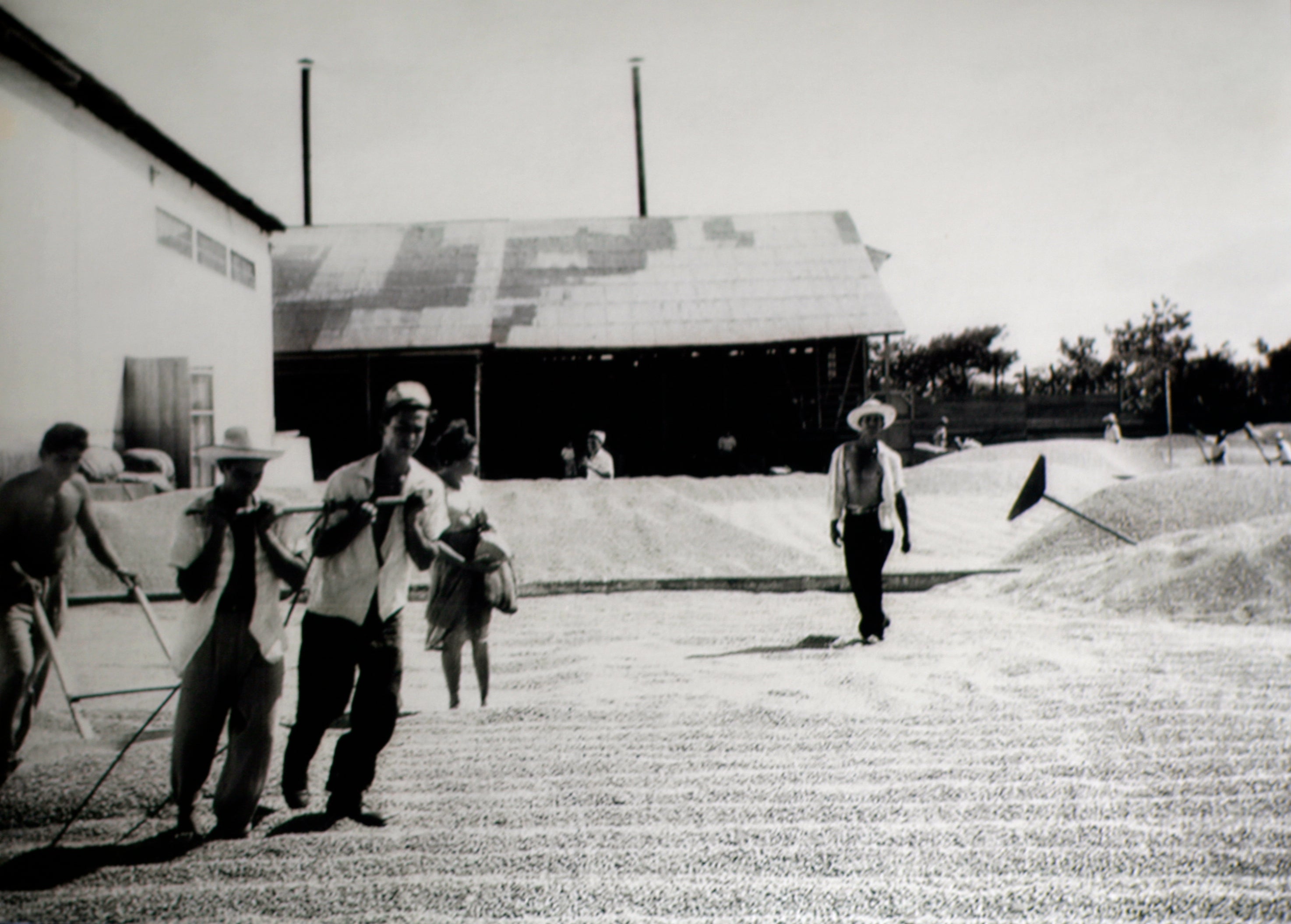
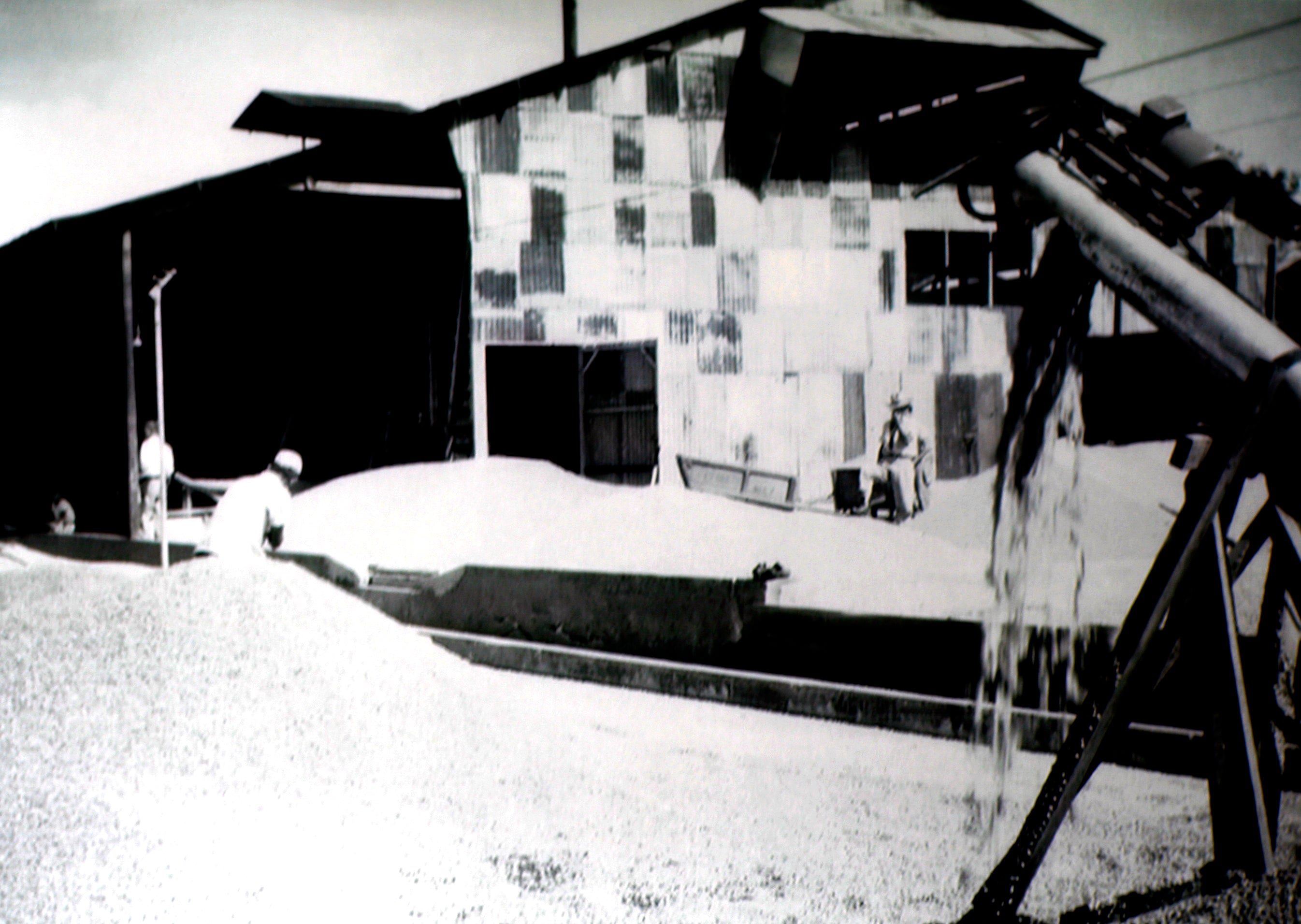
Coffee mill · unedited family archive
Image source: Beneficio Hernández Vindaz, San Josecito, San Rafael, Heredia.

Historical images preserved without editing.

Two origins

The farms.

Santa Fe.

Montecito, Los Ángeles, San Rafael de Heredia, Costa Rica

One of the roots of our family heritage. Here begins the story of our Santa Fe coffees, presented by variety and lot to preserve the identity of each harvest.

Schematic coordinate map of Santa Fe
Schematic map · available offline. Reference points, not property boundaries. No roads or terrain are represented.

10°03′35.92″ N · 84°05′36.48″ W
10.05997778, -84.09346667

Confirmed altitude for lots No. 01, No. 02 and No. 07: 1,800 m above sea level. No. 03 retains its 1,700 m reference.

Interactive map · OpenStreetMap · Satellite · Google Maps

Explore Santa Fe

Location: Montecito, Los Ángeles, San Rafael de Heredia, Costa Rica.

Confirmed altitude for lots No. 01, No. 02 and No. 07: 1,800 m above sea level. No. 03 retains its 1,700 m reference.

Current lots No. 01, No. 02 and No. 07: San Isidro 35. No. 03: Villa Sarchí.

Current lot processes: No. 01 and No. 07, Yellow Honey; No. 02, Red Honey.

Cupping profiles: No. 02, No. 03 and No. 07 · 2025–2026 harvest.

Processes: No. 02, Red Honey; No. 03 and No. 07, Yellow Honey.

New 2026–2027 harvest: inquire about availability.

Santa Fe · Heredia · Costa Rica

© OpenStreetMap contributors. External map; requires internet. The marker is a reference point, not property boundaries.

10°03′35.92″ N · 84°05′36.48″ W · 10.05997778, -84.09346667

View satellite map · Google Maps

The marker identifies a reference point, not the property boundaries. Its elevation does not represent the full farm elevation range.
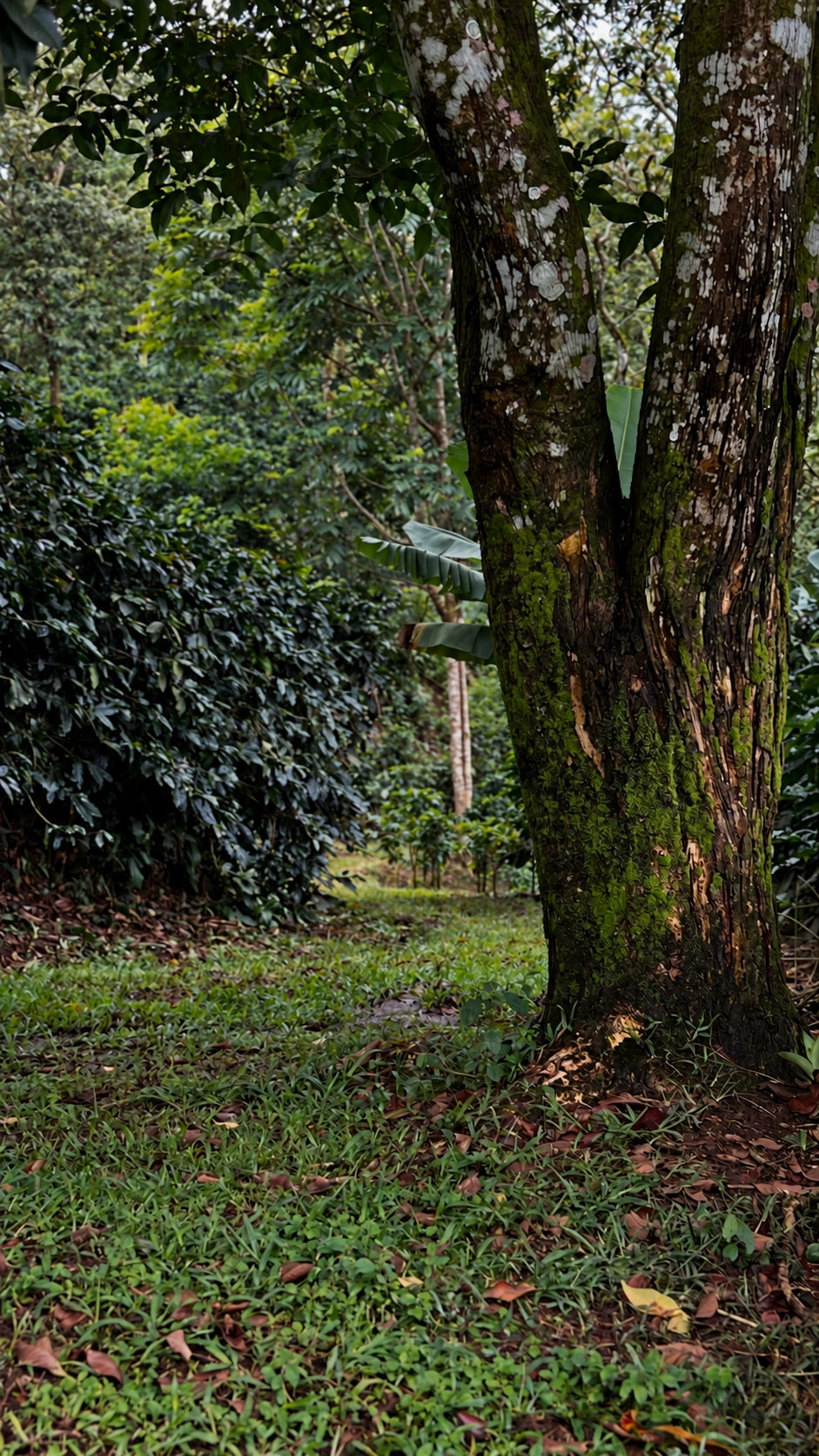
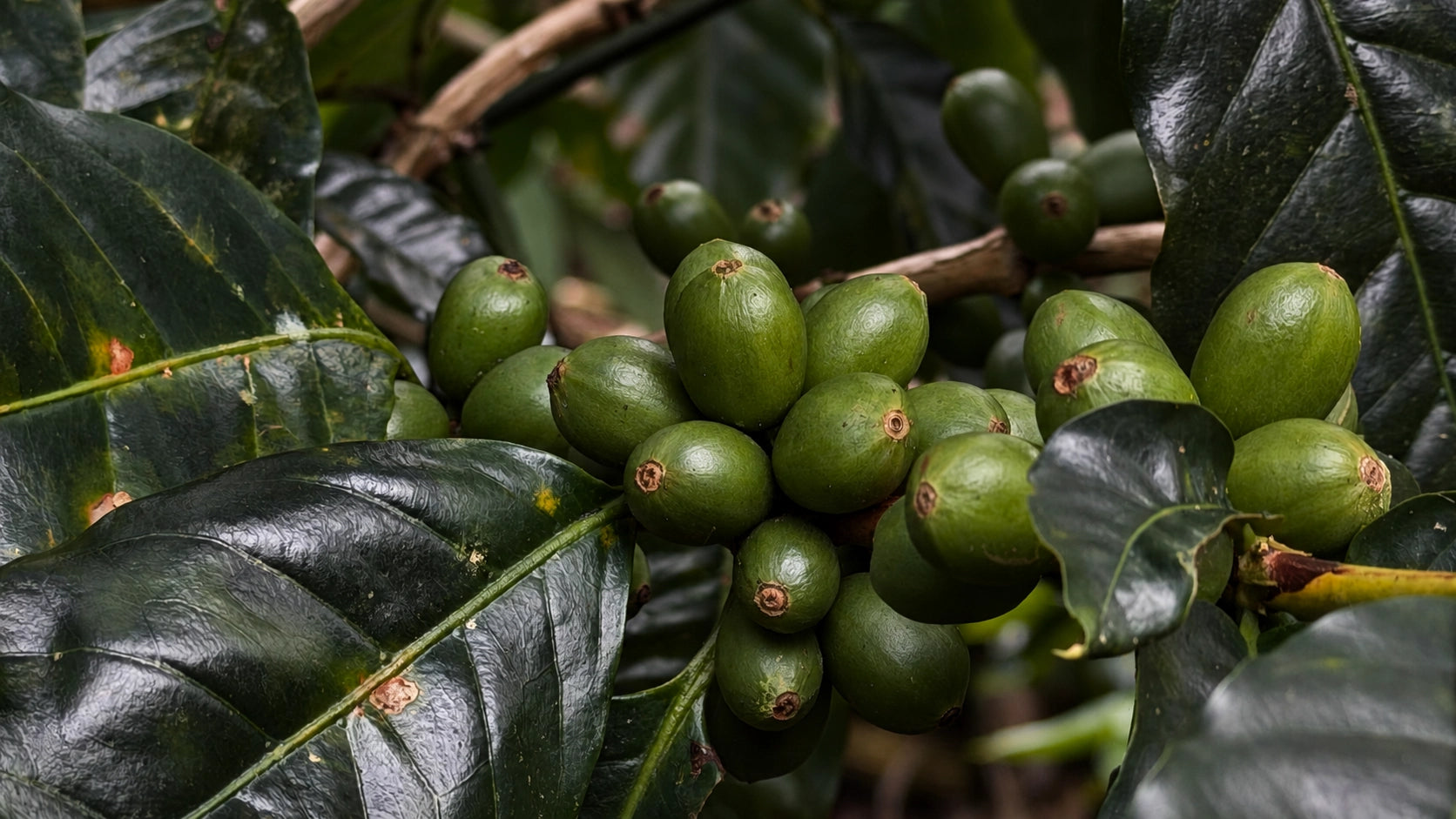
Explore its coffees ↗

San Roque.

San Roque, Palmitos, Naranjo, Alajuela, Costa Rica

The land and its people are part of the same story. Work on the coffee farm continues this relationship and gives rise to coffees presented with their own identity.

Current lots No. 04 and No. 05: 1,100 m above sea level, confirmed by the owner. This product figure is distinct from the map reference point below.

Schematic coordinate map of San Roque
Schematic map · available offline. Reference points, not property boundaries. No roads or terrain are represented.

10°06′14.97″ N · 84°26′23.89″ W
10.10415833, -84.43996944

Reference point elevation: 1,081 m; not the elevation range of the farm.

Interactive map · OpenStreetMap · Satellite · Google Maps

Explore San Roque

Location: San Roque, Palmitos, Naranjo, Alajuela, Costa Rica.

Reference point elevation: 1,081 m.

Profile varieties: Victoria 4 and Marsellesa.

Cupping profiles: No. 04 and No. 05 · 2025–2026 harvest.

Process: Yellow Honey.

New 2026–2027 harvest: inquire about availability.

San Roque · Naranjo · Costa Rica

© OpenStreetMap contributors. External map; requires an internet connection. The marker identifies a reference point, not property boundaries.

10°06′14.97″ N · 84°26′23.89″ W · 10.10415833, -84.43996944

View satellite map · Google Maps

The marker identifies a reference point, not the property boundaries. Its elevation does not represent the full farm elevation range.
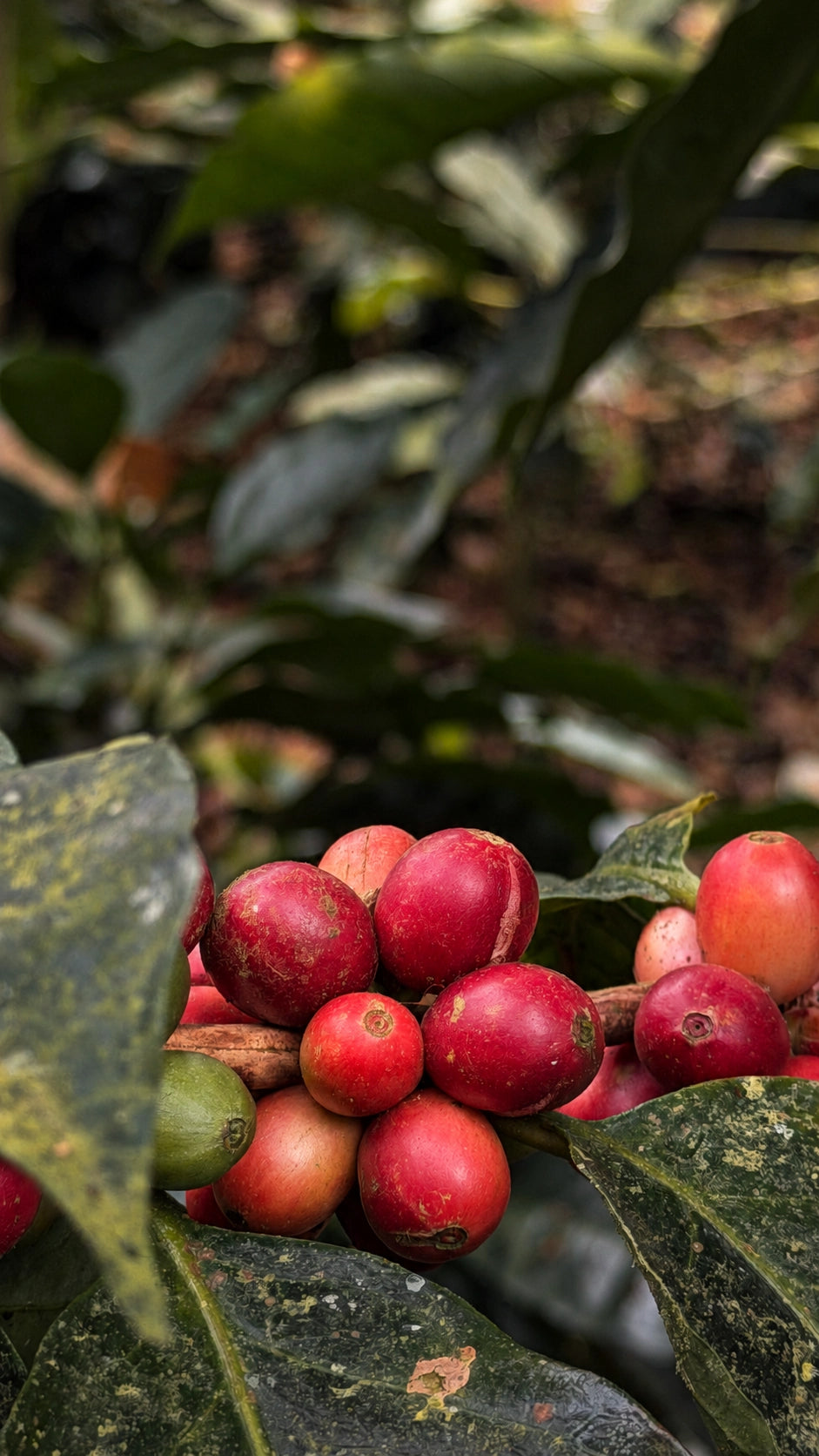
Explore its coffees ↗

Land and people

Living land.
Caring hands.

Two farms. One shared approach to care.

In Santa Fe and San Roque, respect for nature and people guides how we produce. We share a commitment to caring for biodiversity, soil and water, using inputs responsibly and looking after the wellbeing of those who work with us.

Each farm has its own history. Both share these values.

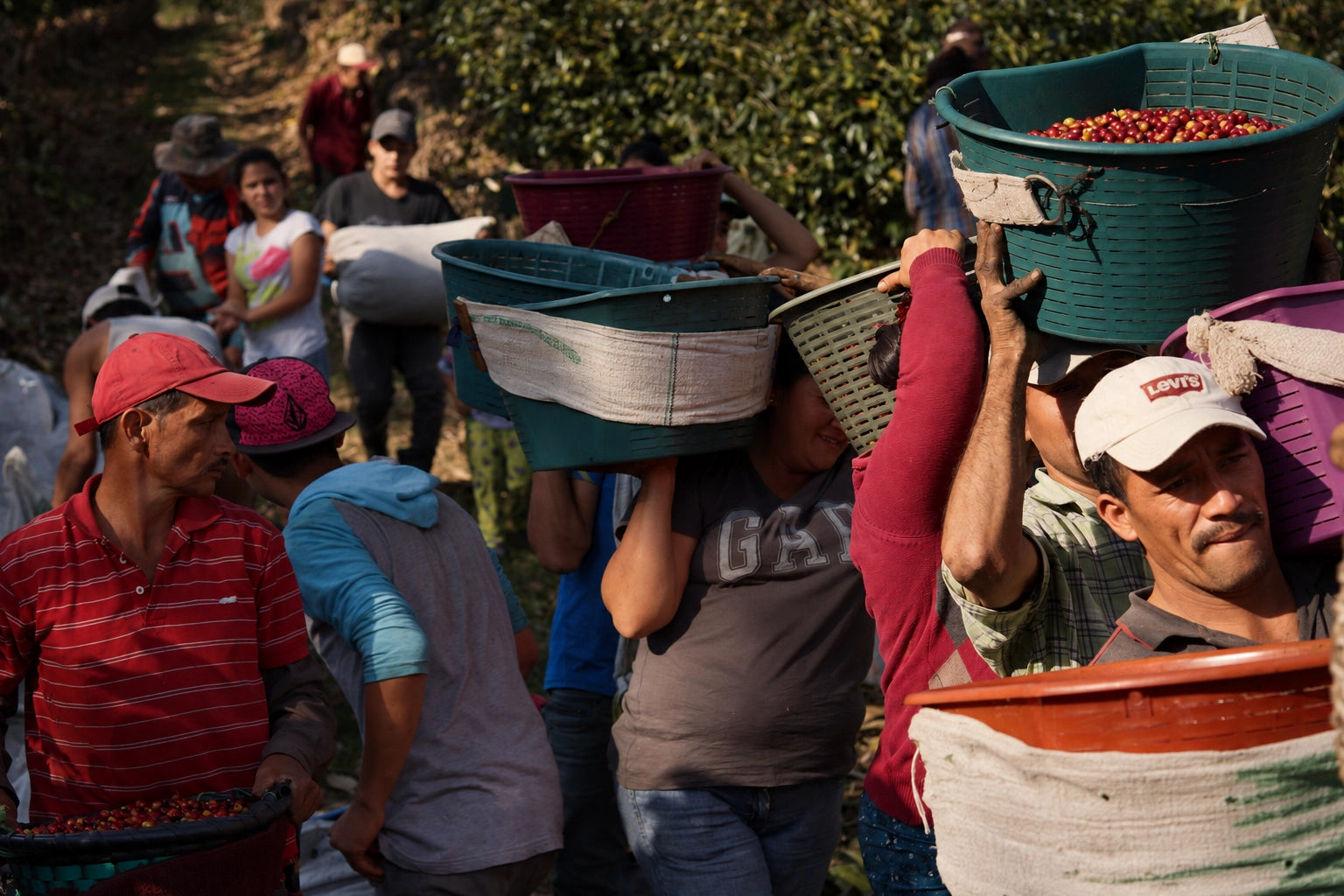
People at harvest · a general image of the work

We are producers.

Coffee is our way of honoring what we have received and caring for what we will leave behind. It is family, memory and a bond with the land that is renewed with every harvest.

Behind every bean are effort, decisions and people whose work deserves recognition.

We generate rural employment and want this work to help improve the lives of our collaborators and their families. Recognizing their contribution means recognizing the origin of every harvest.

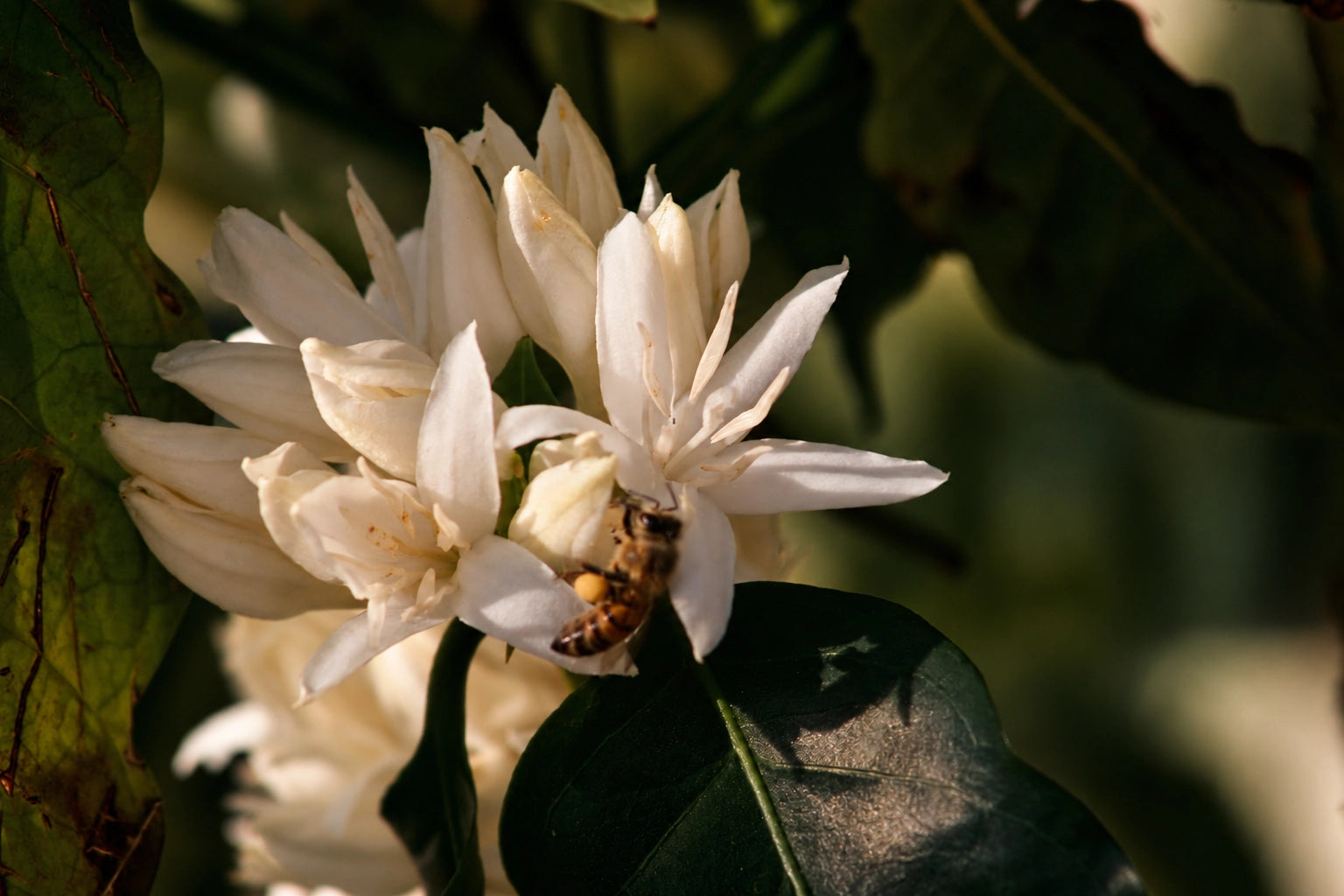
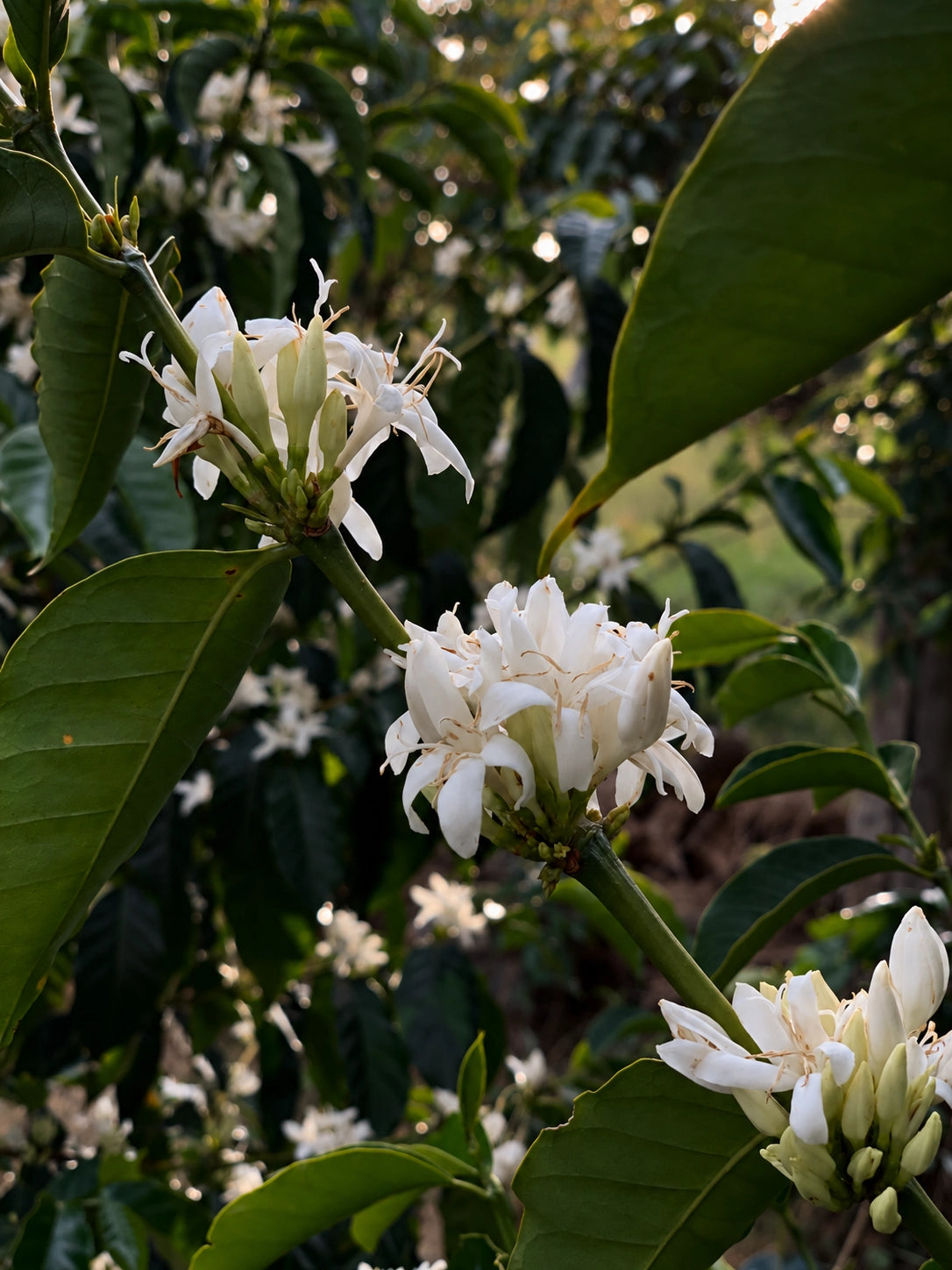
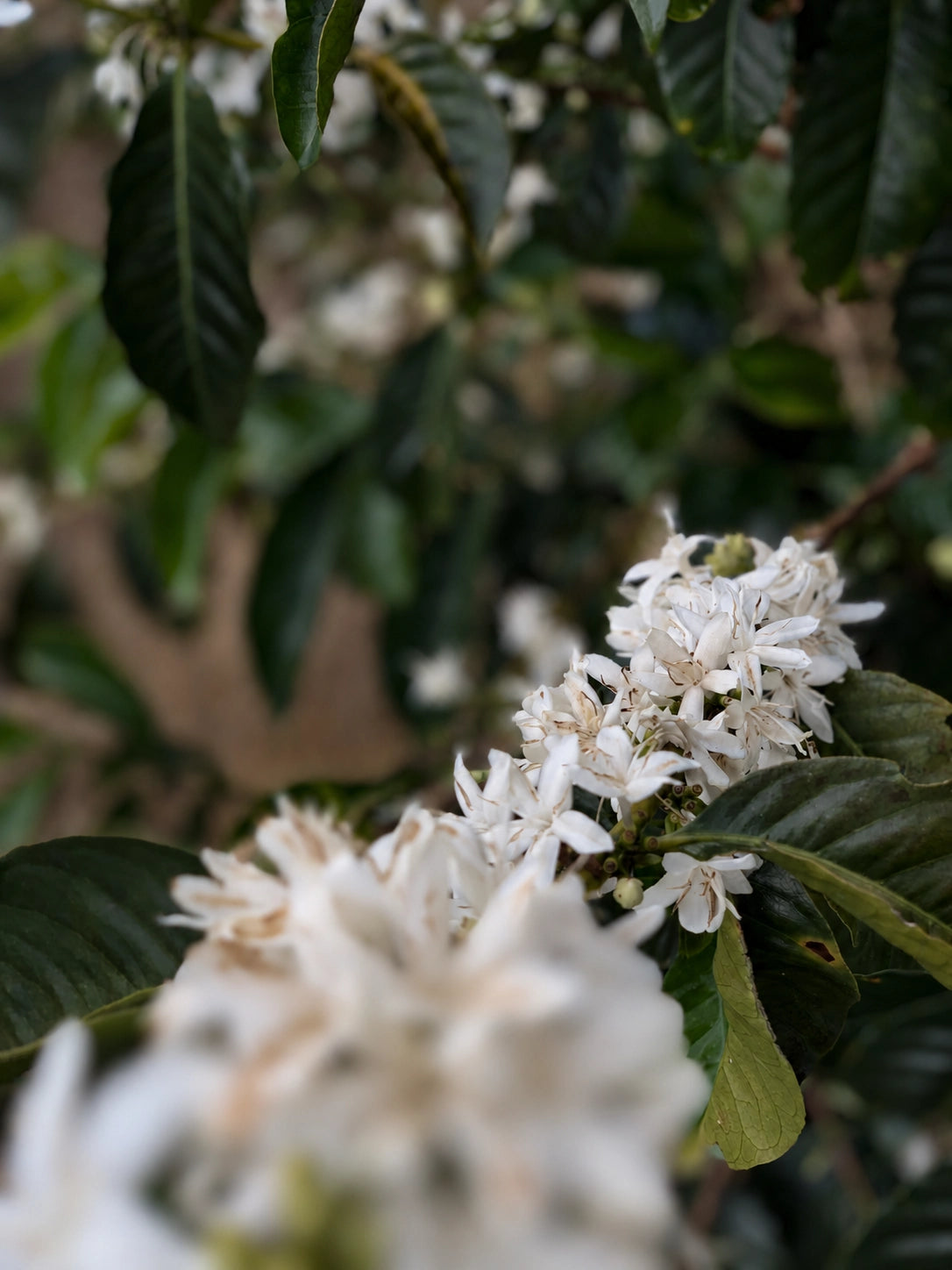
Blossoms and life around coffee
An origin surrounded by life.

Our farms are part of highly diverse environments. The life that accompanies the coffee plants reminds us that producing coffee also means caring for what surrounds it.

Quality begins long before the cup.

It begins with caring for the soil and its nutrition, respecting nature and paying attention to the fruit. Our processing focuses on selecting coffee at its best stage of ripeness and caring for its transformation.

For us, producing well also means learning to coexist with the life around the coffee plants.

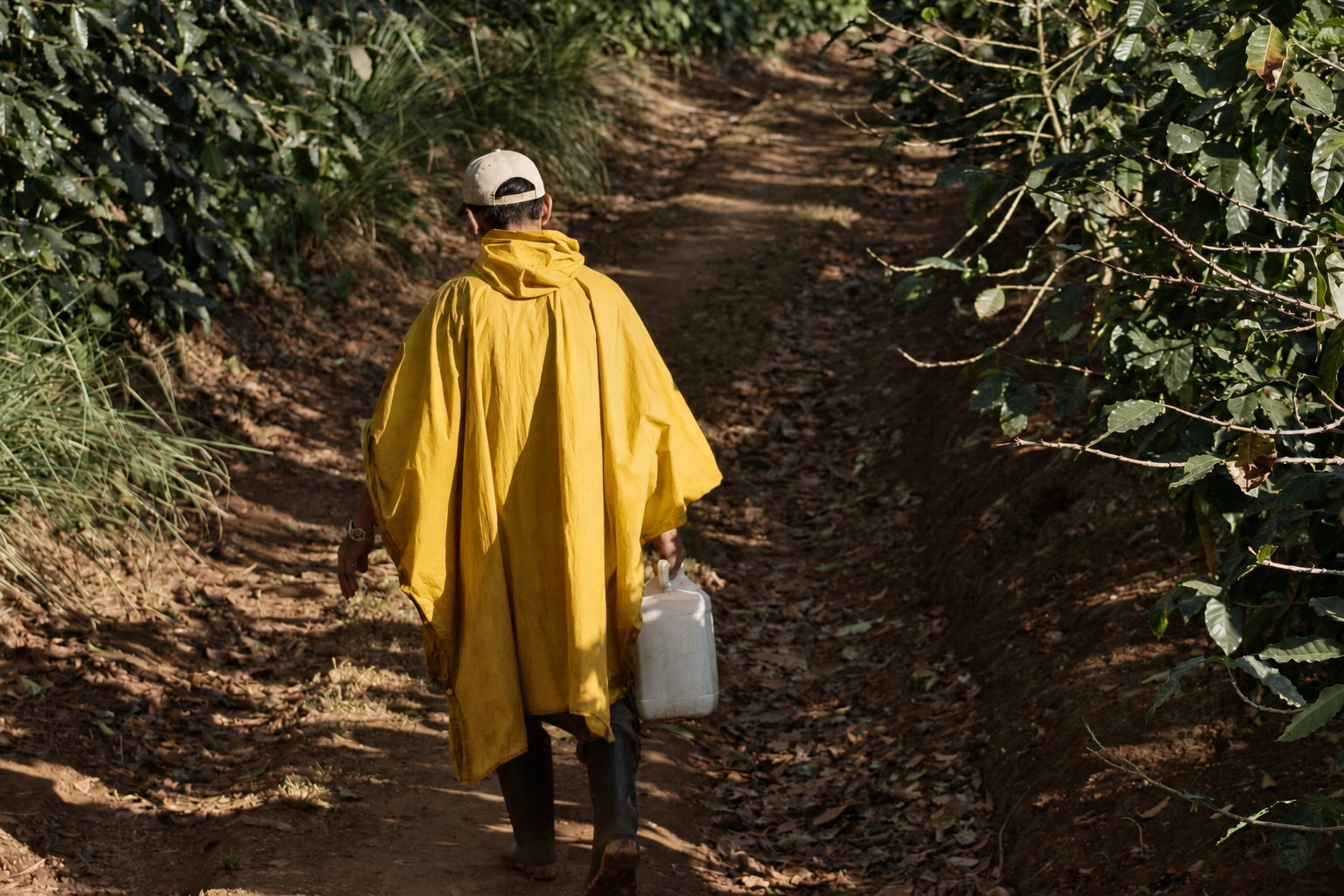
Work in the coffee farm; exact location unconfirmed

Growth has meaning when it opens opportunities for others.

El Rito was born from the desire to give our coffee greater value and for that growth to positively affect those who make it possible.

We aspire to offer better working conditions, more rest time and vacation, and to contribute to a better quality of life for our collaborators and their families.

We want the future of coffee to be a better future for them too.

Our commitment

Conserve biodiversity and the coffee farm environment.

Care for soil, its nutrition and water.

Use inputs responsibly.

Respect people and care for their wellbeing.

Keep learning and improving how we produce.

Costa Rica, our origin

A land that invites a closer look: its landscapes, its diversity and the people who work it. We share this origin through coffee and the story behind every harvest.

BREWING GUIDE · ROASTED COFFEE

Brew your ritual.

Explore some of the main brewing methods. Every recipe in this guide is for roasted coffee. These are starting points: adjust to your equipment, coffee and taste.

A starting recipe. Adjust grind and taste to your coffee; water amounts refer to brewing input, not finished beverage.

Costa Rican chorreador
Roasted coffee
10 g
Input water
Approximately 177 ml · converted from 6 US fl oz.
Temperature
Boiled water; approximately 94 °C is an editorial suggestion.
Grind
Medium
Time
30-second bloom. Suggested approximate total: 2–4 minutes.
Yield / servings
One small serving; final yield not specified.
  1. Place a cup below the clean cloth filter and add coffee.
  2. Wet the coffee with part of the water and wait 30 seconds.
  3. Slowly pour the remainder to about 177 ml total. Let it finish dripping, then clean the cloth filter.

The 94 °C and 2–4 minute total are editorial suggestions, not figures specified by Café Britt. Adjust to grind and altitude.

Adapted from: Café Britt · Chorreador brewing series

V60 · 4:6 method
Roasted coffee
20 g
Input water
300 ml
Temperature
92 °C
Grind
Coarse
Time
3 minutes 30 seconds
Yield / servings
Approximately one large serving; final volume not specified.
  1. Prepare the filter and add coffee.
  2. At 0:00, pour 50 ml. At 0:45, add another 70 ml.
  3. Add 60 ml at 1:30, another 60 ml at 2:10 and the final 60 ml at 2:40.
  4. Remove the V60 at 3:30. The five additions total 300 ml.

Adapted from: Tetsu Kasuya · método 4:6 publicado por HARIO / 4:6 method published by HARIO

Chemex
Roasted coffee
42 g
Input water
700 g
Temperature
Approximately 96 °C · 205 °F
Grind
Medium-coarse
Time
Approximately 4 minutes
Yield / servings
About 3 small servings; manufacturer’s 8-cup Chemex model.
  1. Place the multilayer filter side over the spout. Rinse and discard the water, then add and level the coffee.
  2. At 0:00, pour 150 g and stir gently.
  3. At 0:45, pour to 450 g total. At 1:45, bring the total to 700 g.
  4. Around 4:00, remove the filter, swirl and serve. Allow draining as needed to prevent overflow.

Adapted from: Stumptown Coffee Roasters · Chemex

Kalita Wave 185
Roasted coffee
20 g
Input water
320 g
Temperature
94 °C · editorial suggestion; the guide gives no numeric temperature.
Grind
Medium
Time
2–3 minutes
Yield / servings
Approximately one large serving; final yield not specified.
  1. Rinse the filter, discard the water and add level coffee grounds.
  2. Wet all the coffee and wait 30–45 seconds.
  3. Pour gently in circles to reach 320 g total, then let it drain.

The suggested temperature is editorial and is not attributed to the Kalita guide.

Adapted from: Kalita · Wave brewing instructions

Automatic drip coffee maker
Roasted coffee
60 g
Input water
1,000 ml cold water in the reservoir.
Temperature
The machine controls brewing at 92–96 °C. Fill with cold water.
Grind
Medium to medium-coarse
Time
4–6 minutes contact; approximately 6 minutes preparation.
Yield / servings
About 4 servings; final yield not specified.
  1. Moisten the filter and fill the reservoir with cold water.
  2. Add level coffee grounds and position the carafe.
  3. Switch on and wait for the cycle to finish.

Reference for Moccamaster. Follow the manual and capacity of other machines; do not fill the reservoir with hot water.

Adapted from: Moccamaster · Brewing good coffee · Moccamaster · Coffee per liter of water

French press
Roasted coffee
60 g
Input water
840 g
Temperature
96 °C · rounded from 205 °F
Grind
Coarse
Time
4 minutes
Yield / servings
Suggested 3–4 small cups; exact yield not specified.
  1. Preheat the press and discard that water. Add coffee and brewing water and start the timer.
  2. At one minute, stir for 10–20 seconds.
  3. Put on the lid and lower the plunger halfway.
  4. At four minutes, press gently to the bottom and serve.

Use a press large enough for this recipe.

Adapted from: Fellow · Hailie, certified Q Grader · French press

AeroPress
Roasted coffee
11 g
Input water
200 g
Temperature
Freshly boiled water; boiling temperature depends on altitude.
Grind
Medium-fine
Time
2 minutes + 30 seconds + gentle pressing; approximately 3 minutes total.
Yield / servings
One small cup; exact yield not specified.
  1. Use the standard upright position, not inverted. Fit the filter and cap over a sturdy cup.
  2. Add coffee and water, wetting all grounds. Insert the plunger about 1 cm and start timing.
  3. At two minutes, hold both parts and swirl gently.
  4. Wait 30 seconds, then press gently to the end.

Selected for light-roasted coffee. It does not require reaching 100 °C at every altitude.

Adapted from: James Hoffmann · The Ultimate AeroPress Technique

Cold brew · HARIO Mizudashi MCPN-14
Roasted coffee
80 g
Input water
Approximately 1,150 ml added, to the indicated mark.
Temperature
Refrigerated; the manual does not specify a numeric temperature.
Grind
Medium-fine
Time
Approximately 8 hours
Yield / servings
Approximately 1,000 ml; ready to drink, not a concentrate.
  1. Put coffee in the pitcher’s filter. Add water gradually to the mark, wetting all the coffee.
  2. Stir gently, cover and refrigerate for about eight hours.
  3. Remove the filter and serve. Keep the remainder covered and refrigerated.

Specific to the MCPN-14; the manual selects a dark roast. Do not apply it to any one-liter pitcher or assume dilution is required.

Adapted from: HARIO · Mizudashi MCPN-14 manual · HARIO · MCPN-14 manual

Selected recipes from the cited sources; they are not exclusive to El Rito and do not guarantee a result. Respect your equipment’s capacity and manual. Boiling temperature changes with altitude.

Continue the ritual

The story continues in your cup.

Tell us how you brew your coffee. We will help you choose and coordinate delivery with you.

From our harvest to your home.

For now, shipping is free on our delivery routes within the agreed coverage area. In the GAM we deliver weekly by zone: east, north, south and west. We coordinate the delivery date via WhatsApp when confirming your order.

On our agreed routes to Guanacaste, Uvita and Limón, we deliver once or twice a month. Shipping is free for now on those routes; we coordinate the date when confirming your order.

Choose your coffee and send your inquiry. We will confirm availability, total, delivery date and payment method before finalizing the order.

We accept SINPE Móvil, bank transfer and cash. Payment on delivery is also available. We coordinate the payment method when confirming your order. Card payment on delivery via a BAC terminal is being prepared.

Choose my coffee via WhatsApp

+506 7035 3520

Customer service email: cafe506@icloud.com

Domestic business address: Los Ángeles de San Rafael, Heredia, 200 metres east of Bosque de la Hoja, Costa Rica.

The link opens WhatsApp. You can review the message before sending.

Frequently asked questions

How do I choose my roast?

We offer light, medium and espresso roast options. Tell us which flavors you enjoy and how you brew so we can guide you through available profiles.

Which grind should I request?

If you choose ground coffee, specify your brewing method. The grind should suit how you will prepare your coffee.

How do I know its origin?

Each profile shows the farm, variety, process and available information about the sample or lot. Explore its map and evaluation.

Are these scores for the current harvest?

The reference profiles are from the 2025–2026 harvest. The new harvest will have its own evaluations when available.

How do I inquire about green coffee?

Choose a profile and write to us with your destination country and quantity of interest. We will share availability and terms. Ask about sample options and conditions.

Coffee processing methods

The El Rito lots presented here use the Yellow Honey process. This guide also introduces other coffee processing methods. Honey color labels vary between producers and do not represent universal mucilage percentages.

Natural

Whole coffee cherries dry with the seeds still inside the fruit. The dried outer layers are removed afterward. This contact during drying can encourage fruity notes and a fuller body, though the outcome depends on the coffee and how carefully it is processed.

Washed

The skin, pulp, and mucilage are removed before drying. Mucilage may be removed through fermentation and washing or with mechanical equipment. The seeds then dry inside their protective parchment layer. This method alone does not determine the coffee’s final flavor.

Yellow Honey

After depulping, coffee dries with mucilage, the sticky layer surrounding the parchment, still attached. Yellow Honey often describes faster drying or less retained mucilage, depending on the producer. No honey is added.

Red Honey

Depulped coffee dries with mucilage attached. Red Honey often identifies a different drying approach or level of mucilage retention from Yellow Honey. Definitions vary between producers, so the color does not indicate an exact percentage or guarantee a particular flavor.

Black Honey

Coffee is also dried after depulping, with mucilage attached. Black Honey often involves more retained mucilage or slower drying, depending on the producer. Drying and fermentation require careful attention; the name does not represent a higher grade of coffee quality.

Anaerobic fermentation

This describes a fermentation stage in a low-oxygen or oxygen-free environment, usually inside a closed container. It can accompany natural, washed, or honey processing. Its effects depend on processing conditions; the label does not guarantee particular flavors or higher quality.

Educational sources: Cafe Imports · Natural · SCA · The Fermentation Effect · Cafe Imports · Honey · Royal Coffee · Hybrid Processing Methods · Cafe Imports · Anaerobic Fermentation

How should I store my coffee?

Keep it tightly sealed, protected from air, moisture, heat and light, in a cool, dry place. If you buy whole beans, grind only the amount you will brew.

Terms and privacy

This page does not register orders or process payments. Opening the link shares the inquiry text prepared on this page with WhatsApp. To send it to the business, you must press Send in WhatsApp. External maps and WhatsApp have their own privacy policies.

See the legal information and domestic privacy notice. Review note: the cookie notice and Shopify privacy configuration still need to be checked.